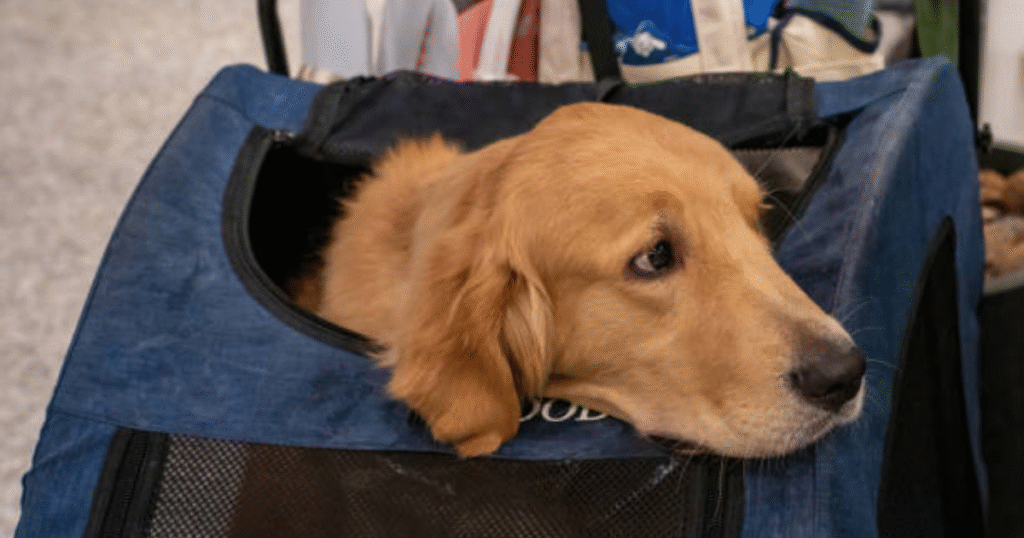
Dog travel tips for long trips refer to practical guidelines and best practices that ensure your pet’s comfort, safety, and happiness during extended journeys.
Introduction
Traveling long distances with your dog can be an exciting adventure, but it also requires careful planning. Dogs can easily feel stressed or uncomfortable during long trips if their needs are not properly addressed. Making preparations ahead of time makes the trip easier for both you and your pet.
From packing the right essentials to ensuring regular breaks, there are many ways to make a long trip pet-friendly. By following simple tips, you can keep your dog relaxed, healthy, and safe while creating lasting memories on the road.
1. Prepare Your Dog Before the Trip
Before embarking on a long journey, make sure your dog is used to traveling. Start with short trips to help them get comfortable inside a car or crate. This practice reduces anxiety and prevents restlessness during longer journeys.
2. Visit the Veterinarian
A quick vet checkup is essential before any long trip. Ensure your dog’s vaccinations are up to date and discuss preventive medications for fleas, ticks, or motion sickness. Carry a copy of your dog’s health records in case of emergencies.
3. Pack All Travel Essentials
Put food, water, bowls, a leash, toys, bedding, and waste bags in your dog’s travel bag. Having familiar items like their favorite blanket or toy can provide comfort and reduce stress during long journeys.
4. Plan Frequent Breaks
Dogs need breaks to stretch, relieve themselves, and drink water. Ideally, stop every 2–3 hours to let your dog walk around. These short breaks not only refresh your pet but also make traveling easier for you.
5. Provide Comfortable Seating or Crate
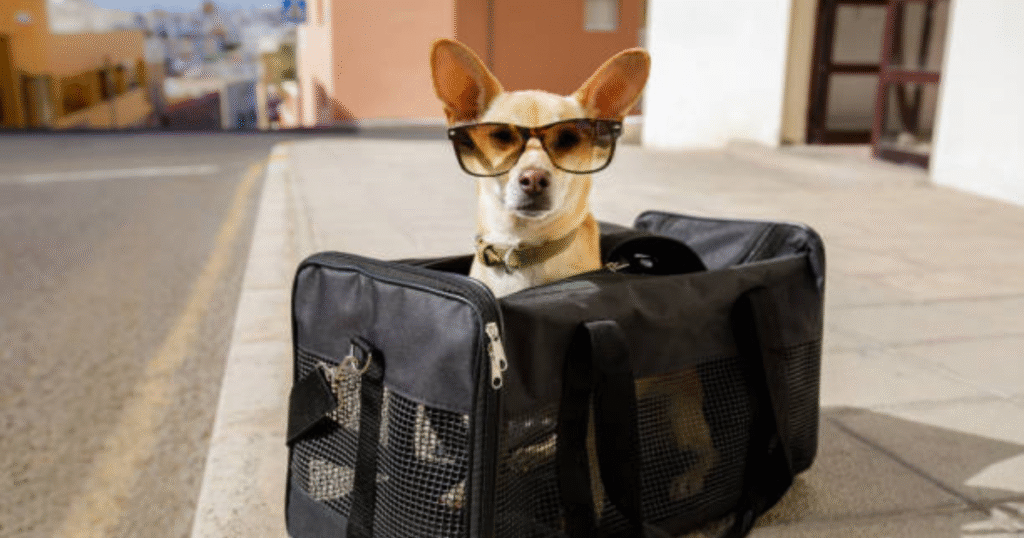
Safety is a priority during long trips. Use a secure travel crate or dog seat belt to prevent injuries. Make sure the seating area is comfortable, well-ventilated, and away from direct sunlight.
6. Stick to Feeding Schedules
Avoid feeding your dog right before traveling to reduce the chances of nausea. Instead, feed them a few hours before departure and stick to their normal feeding schedule throughout the journey. Always keep fresh water available.
7. Keep Them Entertained
Long trips can make dogs bored and restless. To keep them interested, keep puzzles or chew toys on hand. A relaxed and entertained dog is less likely to bark or become anxious during the trip.
8. Maintain a Calm Environment
Dogs often pick up on their owner’s emotions. Stay calm and avoid loud noises or unnecessary stress. Playing soft music or speaking to your dog in a soothing voice can make them feel secure.
9. Be Prepared for Emergencies
Always have an emergency kit with first-aid supplies, your vet’s number, and contact details of nearby animal clinics along your route. Being prepared ensures peace of mind if something unexpected happens.
10. Book Pet-Friendly Accommodations
If your long trip includes overnight stays, confirm that your accommodations are pet-friendly. This ensures your dog has a safe and welcoming space to rest after a long day of traveling.