
Preparing your dog for airline travel means ensuring that your pet is safe, comfortable, and stress-free during the journey. It includes steps like health checkups, crate training, packing essentials, and following airline rules. The goal is to minimize anxiety and make air travel smooth for both the dog and the owner.
Introduction
Air travel with dogs is becoming increasingly common as pet owners don’t want to leave their furry companions behind. Whether it’s for vacation, relocation, or a short trip, taking your dog on a plane requires careful preparation. Unlike car journeys, flights involve longer durations, strict airline regulations, and different environmental conditions. If not planned well, this can cause discomfort or even health risks for your pet.
This article will guide you step-by-step on how to prepare your dog for airline travel, covering everything from vet visits and crate training to packing and managing in-flight comfort.
1. Visit the Veterinarian
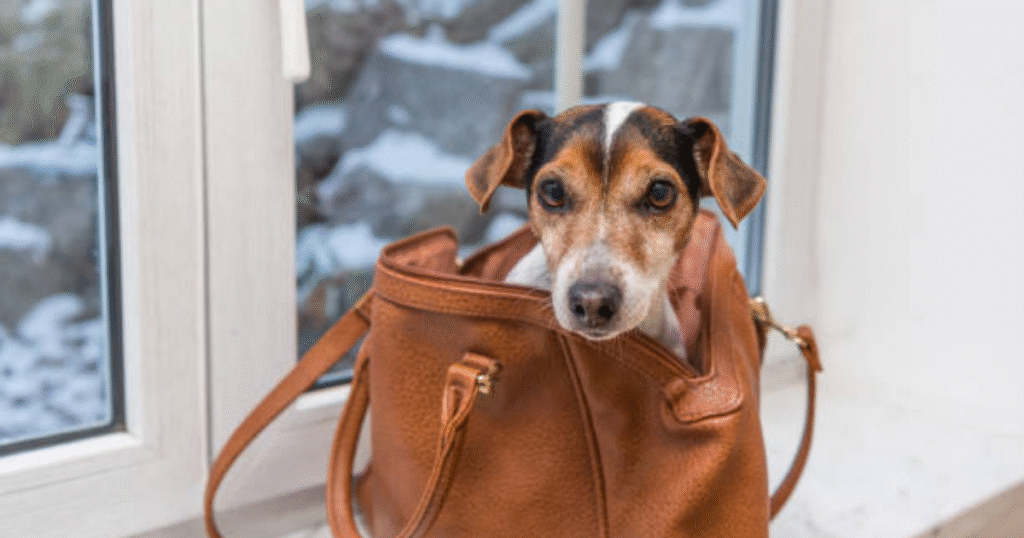
Before booking a flight, schedule a checkup with your vet. A health certificate given within ten days of the trip is frequently required by airlines. The vet will ensure your dog is fit to fly, check vaccinations, and provide advice on handling anxiety or motion sickness.
• Get updated vaccination records.
• Ask about calming solutions if your dog is nervous.
• Ensure your pet is microchipped for safety.
A vet’s approval is not just an airline requirement but also peace of mind for you as an owner.
2. Understand Airline Policies
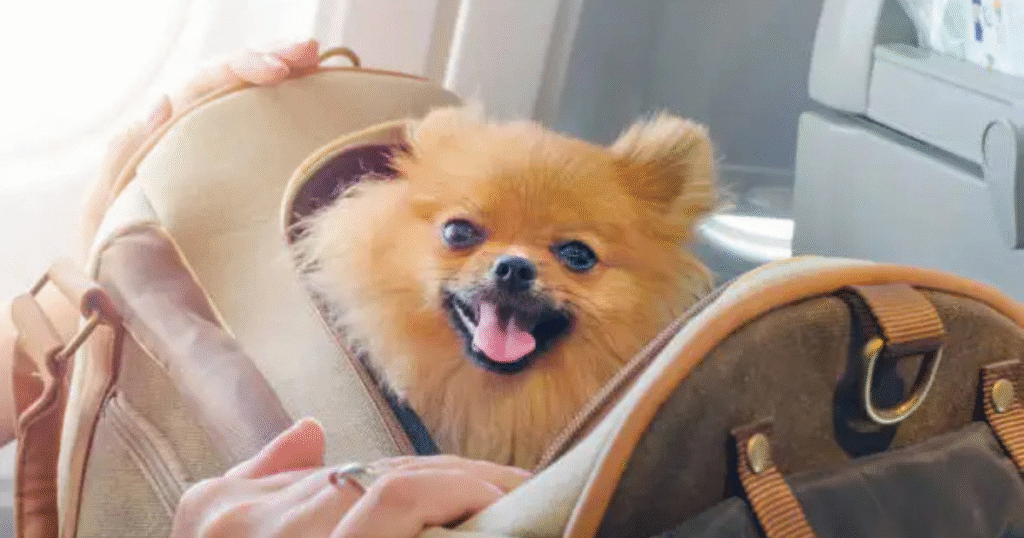
Every airline has unique rules for pet travel. Some allow small dogs in the cabin if they fit under the seat, while larger dogs must travel in the cargo hold.
• Check airline-approved crate sizes.
• Confirm weight restrictions for cabin travel.
• Ask about fees for pet tickets.
Reading policies in advance prevents last-minute issues at the airport.
3. Crate Training
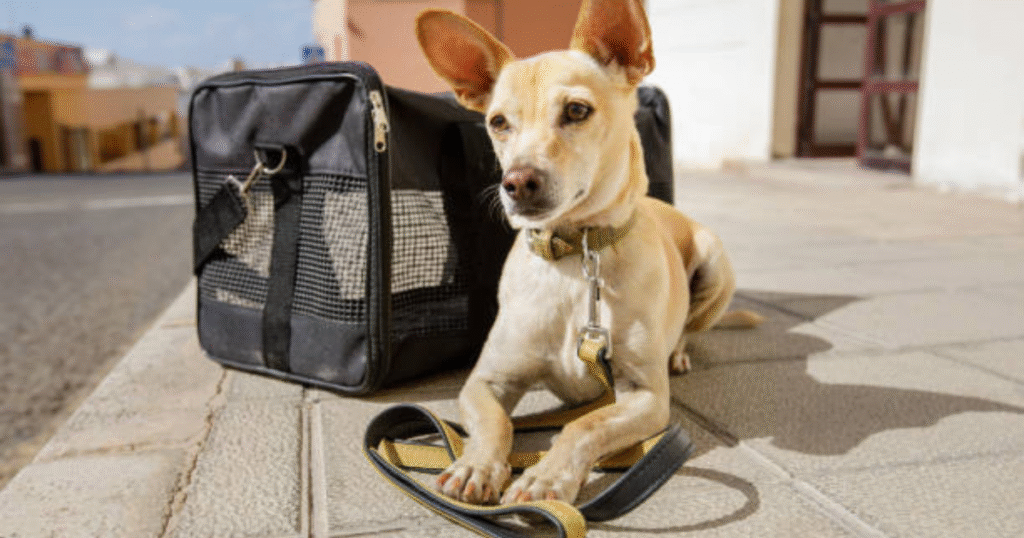
The travel crate is your dog’s temporary home during the flight. A well-trained dog in the crate stays calm and safe throughout the journey.
• Purchase an airline-approved crate.
• At least two to three weeks prior to the flight, introduce the crate.
• Put things you know well, such as a toy or blanket, inside.
Dogs trained to see the crate as a comfortable space are less likely to panic during the flight.
4. Prepare Essential Travel Supplies
Pack a pet travel bag with all necessary items:
• Food and water bowls
• A small supply of food and treats
• Waste bags and wipes
• Comfort items like a toy or blanket
Keeping these essentials ensures your pet feels secure and avoids unnecessary stress.
5. Exercise Before the Flight
Dogs with excess energy may become restless inside the crate. Take your dog for a lengthy walk or playtime before you leave for the airport.This helps:
• Reduce anxiety during boarding.
• Encourage your pet to rest during the flight.
• Prevent accidents in the crate.
6. Manage Feeding Schedule
Steer clear of giving your dog a big meal just before the journey. Rather:
• Feed your dog 4–5 hours before takeoff.
• Give only small amounts of water before boarding.
• Offer treats sparingly to avoid stomach upset.
This prevents nausea or bathroom accidents during the journey.
7. Airport and Security Preparation
Arrive at the airport early to avoid stress. At security checkpoints:
• • It might be necessary to remove your dog from its crate.
• Carry documentation (health certificate, vaccination records).
• Be prepared for additional screening if required.
A calm approach from the owner helps the pet remain relaxed.
8. In-Flight Care
If your dog is flying in the cabin, keep the crate under the seat and avoid opening it during the flight. For dogs in the cargo hold:
• Ask the staff to confirm your dog is safely loaded.
• Put a label on the crate with your contact information.
• Include a note with feeding and care instructions.
9. After Landing
Once you arrive, give your dog time to adjust:
• Take them for a walk immediately.
• Offer water and light food.
• Look for any indications of injury, dehydration, or stress.
Flying can be overwhelming, so your pet may need extra comfort.
Conclusion
Airline travel with dogs requires planning, patience, and preparation. From vet visits and crate training to packing essentials and adjusting routines, every step helps ensure your pet’s safety and comfort. With proper preparation, your dog can have a smooth, stress-free journey and arrive ready for the adventure ahead.
Meta Description
Learn how to prepare your dog for airline travel with vet tips, crate training, packing essentials, and in-flight care for a stress-free journey.